Double glazing
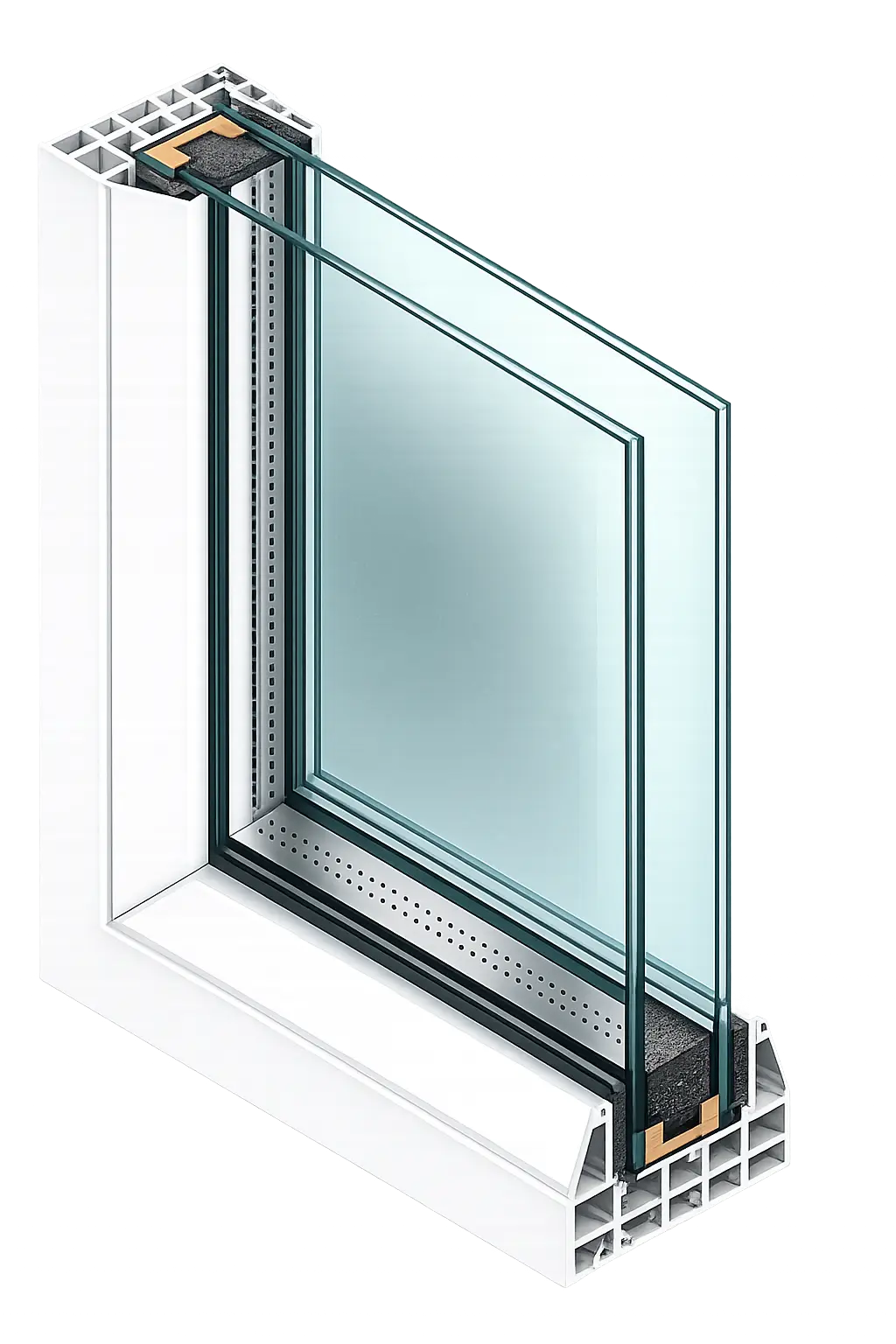
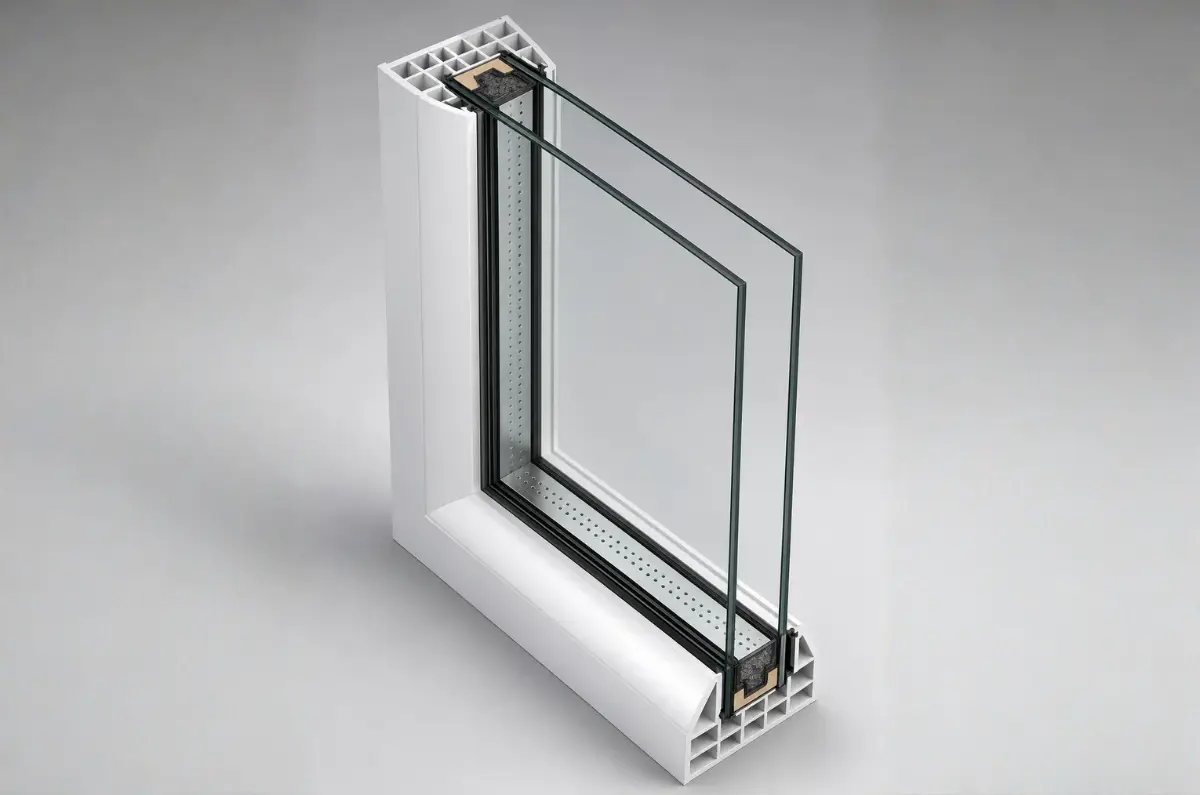
Two panes with a sealed gap between them — the baseline upgrade for a warmer, quieter home, and right for most NZ houses.
The glass does as much work as the frame. Here’s how double and triple glazing compare, and what Low-E, argon and warm-edge spacers really do.
Two panes with a sealed gap between them — the baseline upgrade for a warmer, quieter home, and right for most NZ houses.
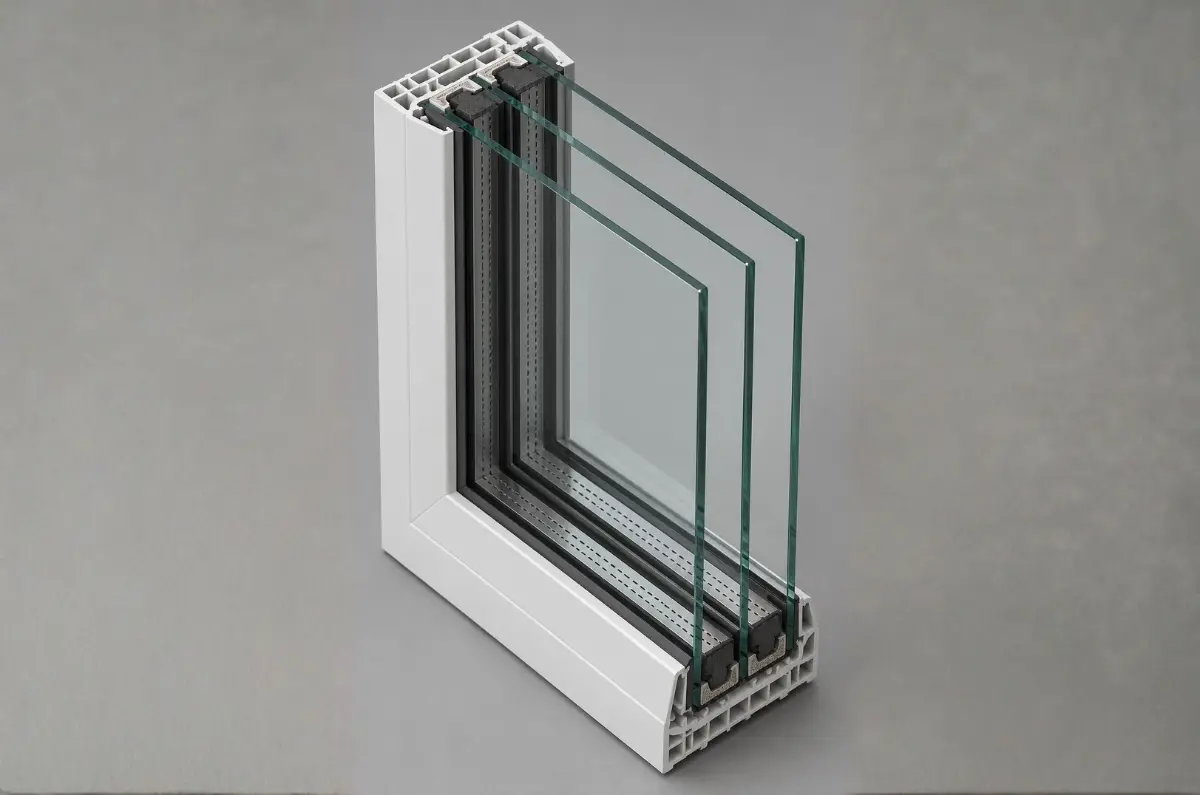
Three panes for the highest insulation. Worth it in the coldest, most exposed sites; often more than most homes need.
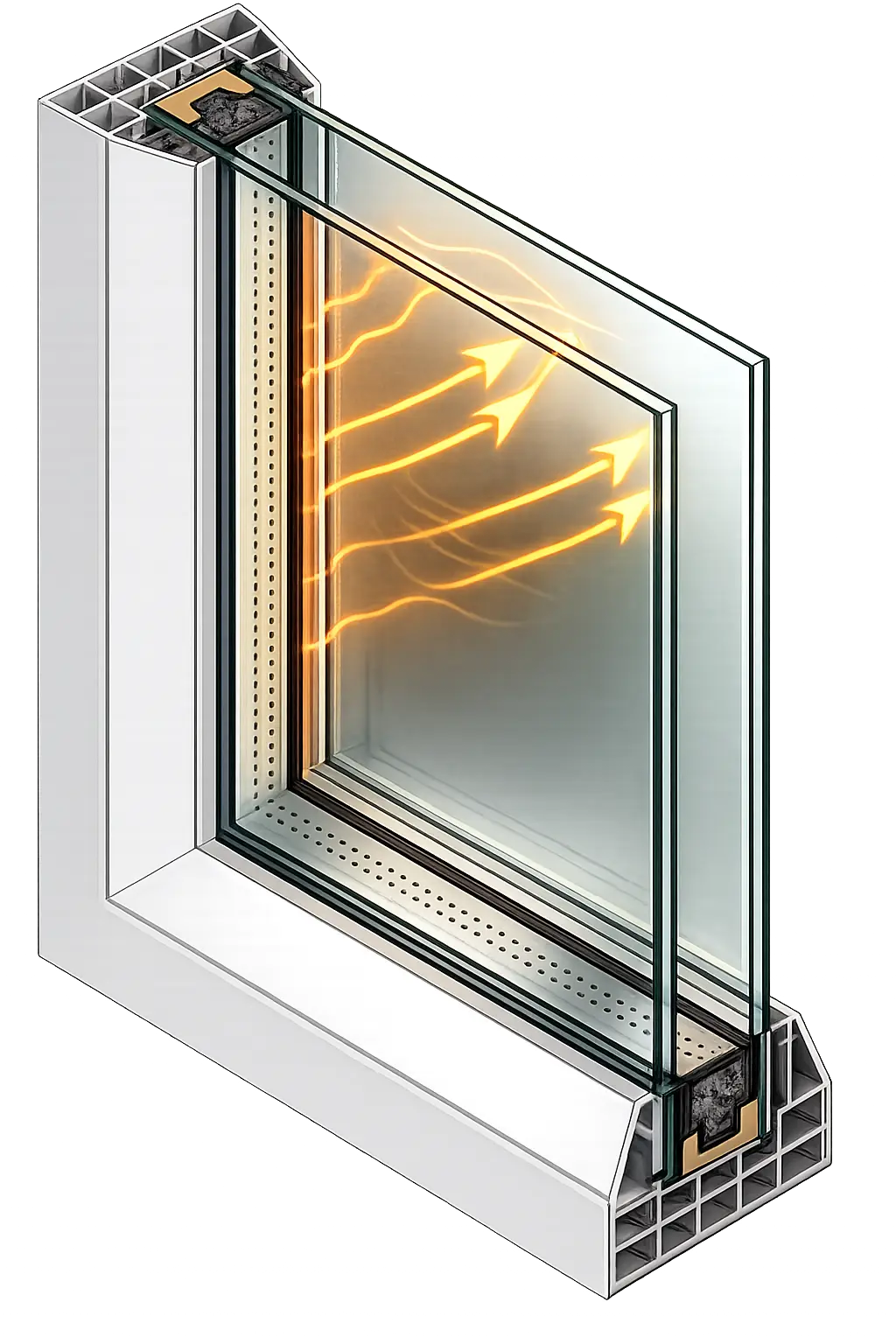
A near-invisible coating that reflects heat back into the room instead of letting it escape.
An inert gas in the sealed gap that insulates better than ordinary air.
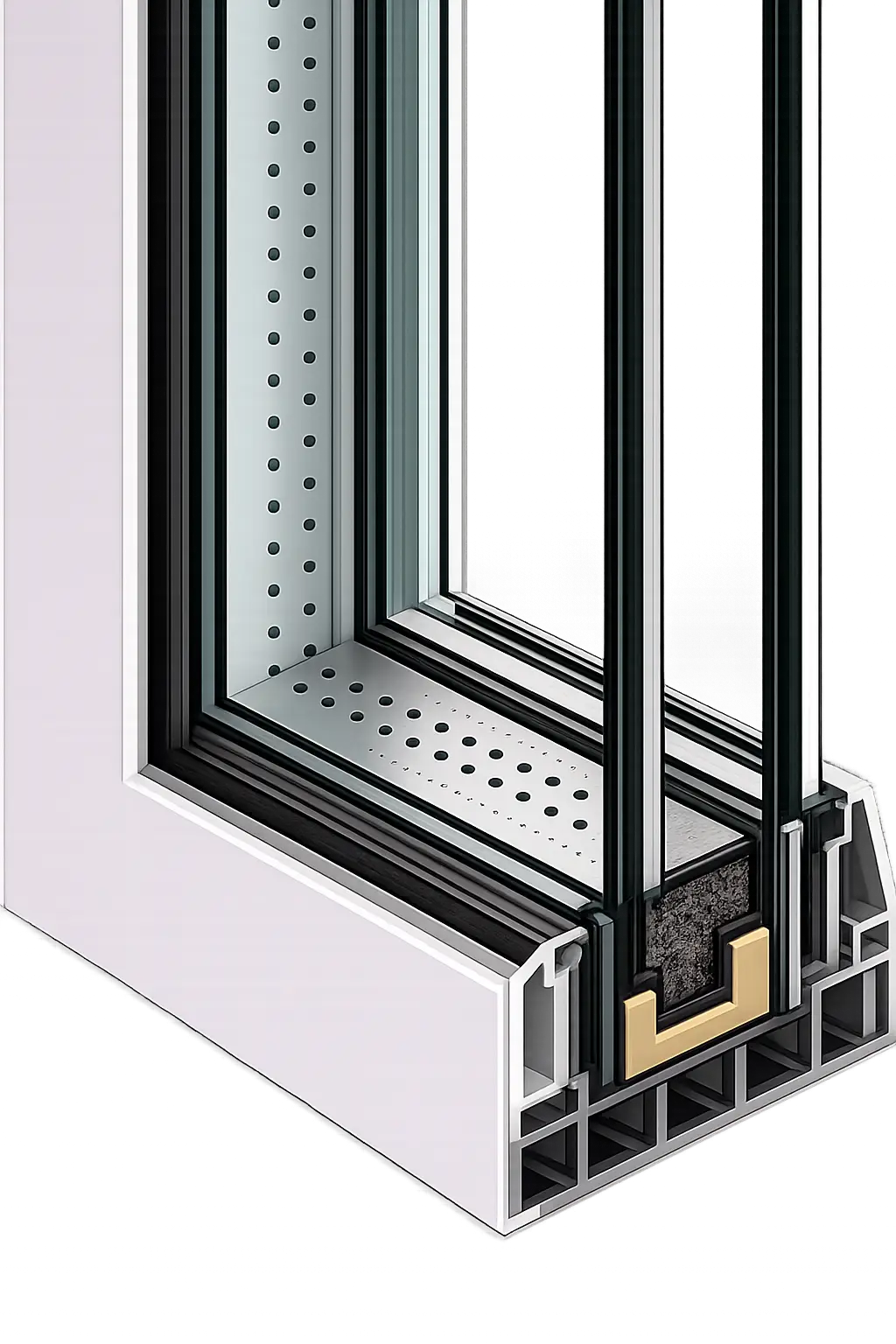
An insulating spacer around the glass edge that keeps the inner pane warmer and helps manage condensation.
Which way a room faces, how exposed it is, the road outside, your budget — they all change what the right glazing is. So rather than fit the same unit everywhere, we work out what each room needs and explain why, with you as the final decision maker, so you can make an informed decision and get the result you're actually after.
Get a free quoteDouble glazing suits most NZ homes and makes a clear difference to warmth and quiet. Triple glazing is worth considering for the coldest, most exposed sites — we’ll advise honestly rather than over-spec.
It carries a microscopically thin coating that reflects heat back into the room, so you keep more warmth in without losing daylight.
Argon insulates better than air for a small added cost, so it’s usually a sensible inclusion for a warmer result.
It helps manage it — warm-edge spacers and better glazing keep the inner glass warmer, which reduces streaming. Ventilation and heating still play a part.
Tell us about your home and what’s bothering you — cold, condensation or noise — and we’ll recommend the right glazing honestly.