
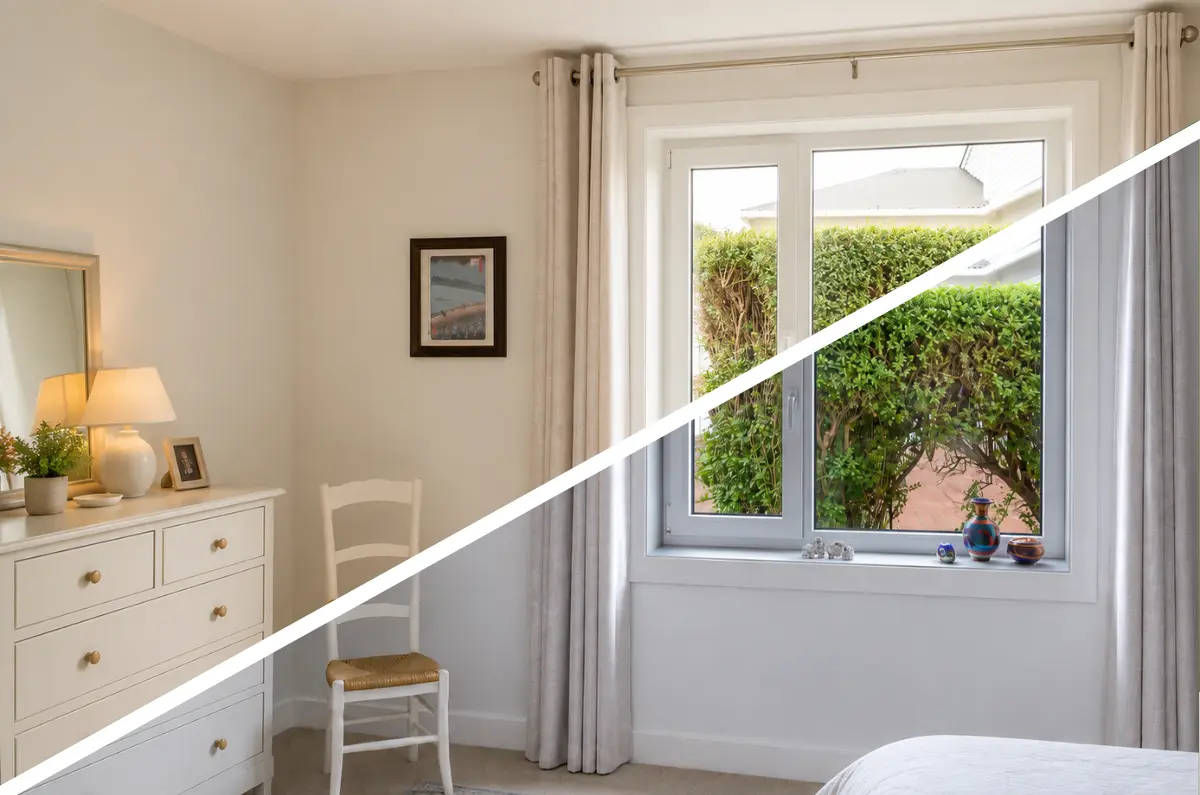
uPVC vs aluminium windows — the honest comparison.
Both have their place. For warmth, condensation and value in New Zealand homes, uPVC usually wins — here’s a straight comparison so you can decide.
For most NZ homes, uPVC is the warmer, more cost-effective choice.
uPVC frames insulate naturally, so they hold heat in and stay warmer to the touch — which means fewer draughts and less condensation. Standard aluminium conducts heat and cold, and tends to sweat. A multi-chamber uPVC frame traps pockets of air that slow heat escaping, and paired with double glazing it comfortably meets the R0.50 insulation standard Christchurch homes need — where standard aluminium falls short.
It won't rot, rust or need repainting, and it holds its seal for decades. For the money, it's the warmer, lower-maintenance choice for most homes here.
uPVC and aluminium, compared.
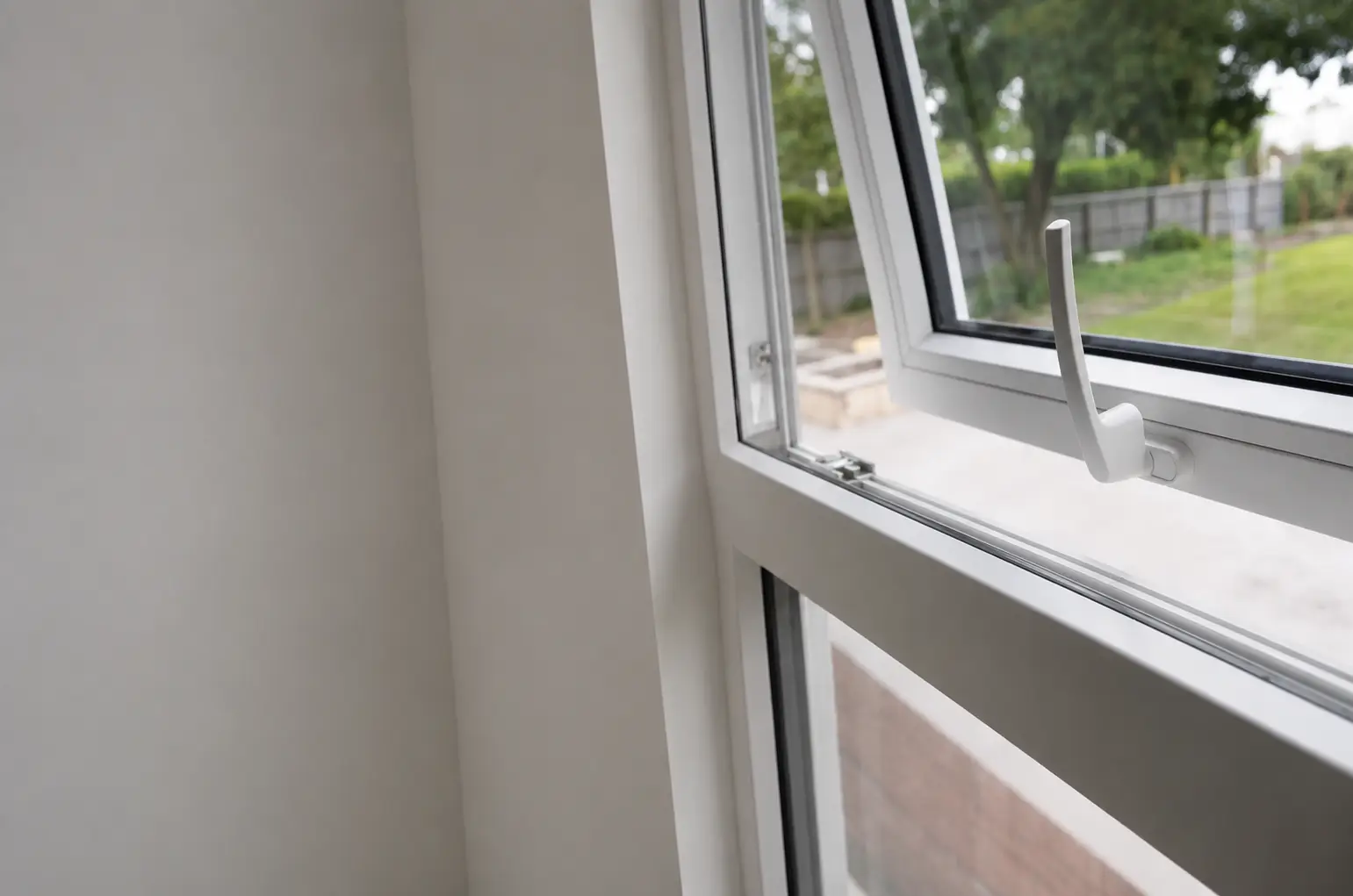
The material that does the hard work.
uPVC stands for unplasticised polyvinyl chloride — a rigid, hard-wearing material that's become the most widely used window frame in the world. It doesn't conduct heat the way metal does, so it insulates naturally and keeps your home warmer for less. It won't rot, rust, warp or fade, it shrugs off salt air and hard sun, and it's lead-free and fully recyclable. In short: a frame that performs for decades and asks almost nothing of you in return.
Get a free quote- Lead-free and fully recyclable
- UV-stable — won't fade or yellow
- Won't rot, rust or warp
- Naturally insulating
Frequently asked questions
Is uPVC better than aluminium for a cold home?
For warmth, yes — uPVC frames insulate naturally, where standard aluminium conducts heat and cold. Thermally broken aluminium narrows the gap but usually costs more.
Does aluminium ever make more sense?
Yes. For very large spans or where you want the thinnest possible sightlines, aluminium has the edge. We’ll tell you honestly if that’s your situation.
Will uPVC look right on an older home?
There are profiles and finishes that suit villas and bungalows as well as modern builds, so uPVC needn’t look out of place.
What about thermally broken aluminium vs uPVC?
Thermally broken aluminium performs far better than standard aluminium. uPVC still tends to insulate better for the price — we’re happy to compare specifics for your project.
Weighing up uPVC for your home?
Tell us about your windows and we’ll give you an honest read on whether uPVC is the right call — and what it would cost.